What structural drying is and why it takes equipment
Structural drying removes moisture from the building itself: framing, subfloor, drywall, insulation and the air in between. Mopping and a box fan deal with the surface. Water that soaked into materials has to be pulled out as vapor, and that takes controlled airflow and dehumidification working together.
Many North Richland Hills homes were built through the 1970s and 1980s, so drywall, baseboards and flooring have decades behind them. That does not change the method, but it does mean a crew checks cavities and layers rather than assuming a floor is a single material.
How a crew finds the wet spots
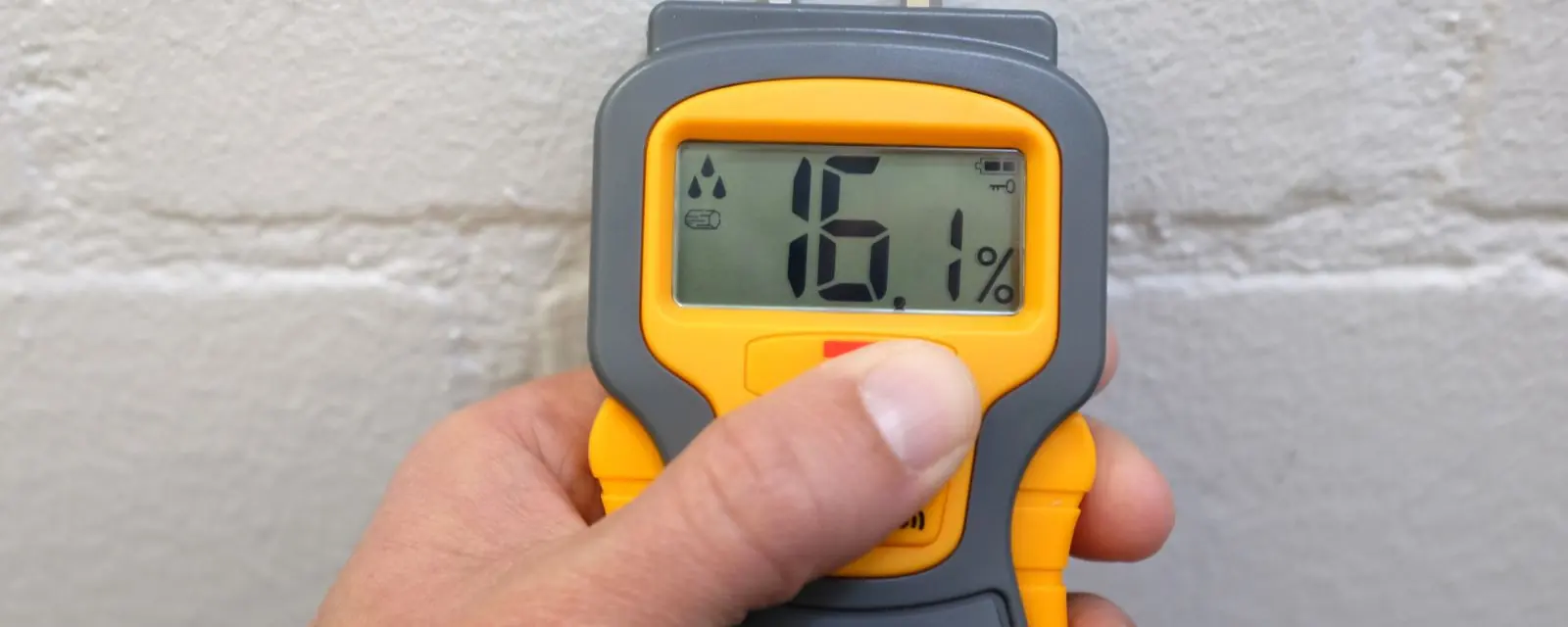
A thermal camera shows temperature patterns that hint at moisture behind a wall or under a floor. It does not measure water, so each hint is confirmed with a moisture meter pushed into the material. The readings go onto a simple map of the rooms.
That map matters for two reasons. It shows where equipment should go, and it gives a baseline to compare against on later days.
- A pin or pinless meter reads moisture in drywall, wood and subfloor.
- A thermal camera scans walls, ceilings and floors for cool, damp patches.
- Readings are taken in the wet area and in a dry reference spot of the same material.
Safety before equipment goes in
Drying equipment runs on household power, so the first step is making sure the circuits are safe. Power in a wet area should be off until it has been checked. Here is what to do before the first fan or dehumidifier is switched on.
- Confirm any standing water is gone or being extracted before equipment is plugged in.
- Keep power off in rooms where water reached outlets, and ask a licensed electrician about damaged wiring.
- Keep children and pets out of rooms with running equipment and cords.
- Leave the structure alone while it dries and call (817) 623-9267 with questions.
Not sure the house is actually dry?
Call the 24/7 line and ask how readings are taken.
Water loss classes and how much drying a job needs
The published standard ANSI/IICRC S500 describes four water loss classes. In plain terms, the classes describe how much of the room took on water and how fast it will evaporate.
Class 1 is the lightest, with little absorbed moisture. Class 2 involves a larger area with water wicked into walls or carpet. Class 3 means water came from above and soaked much of the room. Class 4 covers deeply held moisture in dense materials such as hardwood or concrete.
The class steers the plan. A higher class generally calls for more dehumidification and more time, and a crew sets the equipment to match. For the first days of response, see water mitigation.
Air movers, LGR and desiccant dehumidifiers
Air movers keep a stream of dry air sweeping over wet surfaces and into cavities, which lets moisture leave the material. Fans alone only move that moisture around the house. A dehumidifier captures it and removes it from the air, which is why dehumidification matters as much as airflow.
LGR (low grain refrigerant) dehumidifiers cool air to condense water and are the usual workhorse. Desiccant units use a drying material and can work when the air is cooler or when materials hold moisture stubbornly. A crew chooses by the conditions and the class of loss.
Cavities need attention too. Small holes or removed baseboards let dry air reach the space behind walls and under cabinets, and a toe-kick is sometimes opened for the same reason. Wet carpet and pad are covered in carpet water damage, and opened walls in drywall water damage repair.
North Richland Hills notes: climate, housing and your records
Normals from the National Weather Service for Dallas/Fort Worth, covering 1991 to 2020, put the annual mean temperature at 66.6 F, with 37.01 inches of precipitation and 20 days a year that reach 100 degrees or more. Warm air carries more moisture, so a drying plan has to account for what the weather outside is doing.
The city history page counts 16,514 people in 1970 and 45,895 in 1990, which fits the many homes that date from those decades.
The Texas Department of Insurance home damage tips say to document the damage. A drying log with dated readings supports that record. Nearby homes in Haltom City and Hurst get the same process.
The drying log, the goal and when equipment comes out
Each day the crew returns, takes readings at the same spots and records them. The log shows whether the structure is trending dry. At the start a drying goal is set against the dry reference material, so the job has a target that is not a guess.
Equipment comes out when readings reach that goal, not on a set day of the calendar. If a wall is still above the goal, equipment stays and the plan adjusts. That is also what keeps a wet wall from being closed up too soon.
What affects the cost of structural drying
- The water loss class and how much material took on water.
- The number of rooms, cavities and wall sections that need drying.
- How many air movers and dehumidifiers the volume of air calls for.
- How many days of monitoring pass before readings reach the goal.
- Whether walls or floor layers have to be opened for access.
Before work begins, a dispatcher talks through scope and price on the phone.
Insurance, noise and mistakes to avoid while drying
Coverage depends on the cause of the water and on your policy, so ask your insurer, and we never promise coverage. Expect the equipment to be loud, to warm the room and to run the meter at home. These are normal signs it is working.
Common mistakes are opening windows and doors, which lets humid outside air back in, switching equipment off to sleep and calling the job done because the surface feels dry. Keep exterior openings closed and do not unplug anything, then call (817) 623-9267 if a machine stops running.
Drying questions answered plainly
Our dispatch line runs 24/7, and crews respond the same day where they can, with no set arrival time. Call (817) 623-9267 to start.
Fans move moisture around. A dehumidifier takes it out of the air so the wet materials can keep releasing more. The two work together.
By meter readings compared with a dry reference of the same material. Equipment leaves when readings reach the drying goal, not at the end of a set number of days.
Humid outside air works against the dehumidifiers. A closed space lets the equipment hold conditions steady and dry faster.
It is noisy, it adds heat and electricity is used while it runs. Ask the crew to explain placement and what each machine is doing.